
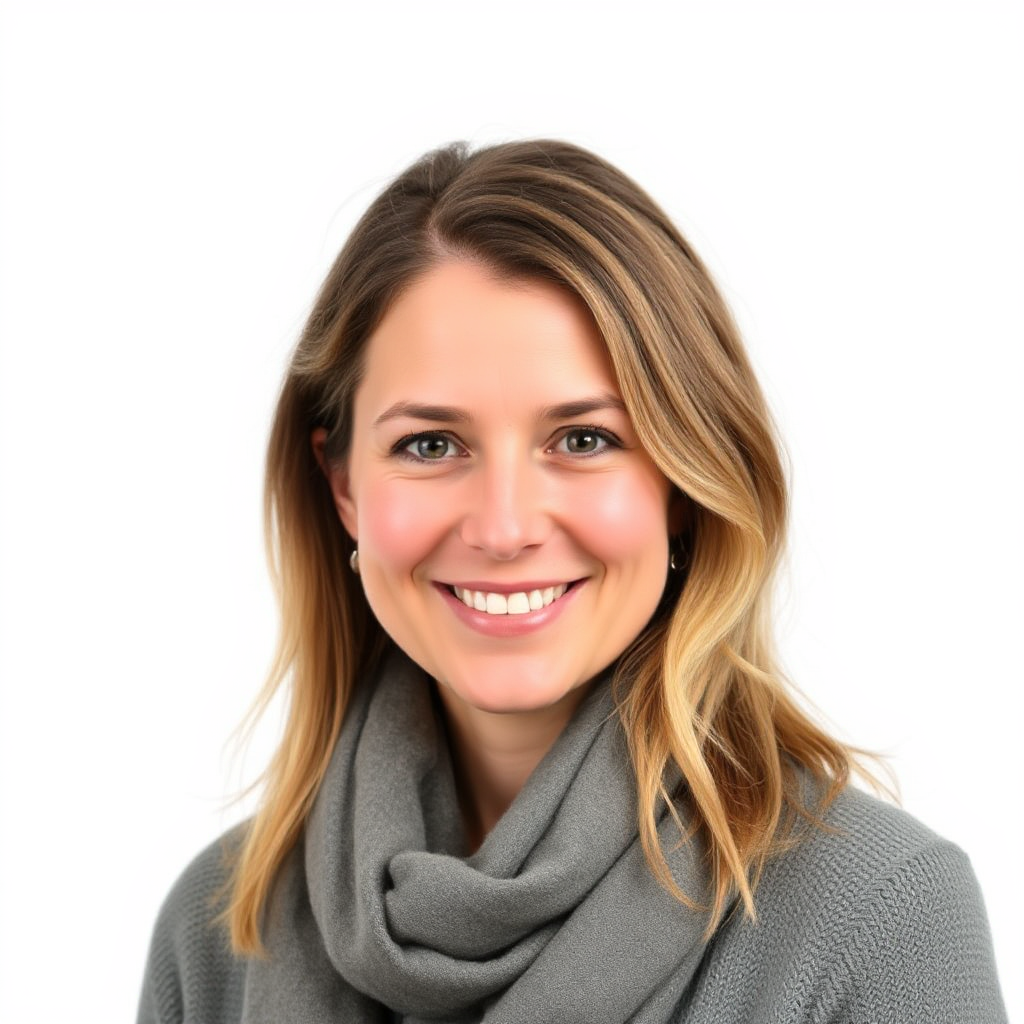

Ex- tech leader Matt Brittin named as the BBC's next leader.
The former president of Google's Europe, Middle East and Africa operations will replace Tim Davie, who announced his departure in the autumn following a controversy over how a BBC programme altered a address by Donald Trump.
BBC chairman Samir Shah that the appointee, who departed from Google in 2025 after a long tenure, "provides the BBC deep expertise of guiding a prestigious and complex entity during significant evolution".
Brittin, 57 commented he "can't wait to begin this role", calling it "a time of significant danger, yet also significant opportunity".
He added that the UK requires "a robust BBC that benefits all in a complex, uncertain and rapidly evolving landscape".
Outlining his priorities, he added: "The BBC needs the speed and energy to be simultaneously where stories are, and where viewers and listeners are. To enhance the reach, credibility and production quality today, confront challenges with determination, and succeed as a publicly-funded broadcaster suited to the future."
'Radical Reform'
Shah described Brittin "an outstanding manager" with "the capabilities required to navigate the organisation through the myriad developments happening in the media market and in viewer and listener behaviours".
The BBC chief also commended his "dedication to the BBC, his grasp of the challenges facing the institution, his commitment to its independence and his determination to maintain the BBC's status as one of the nation's key public institutions".
The new director general arrives at "a crucial time", as the authorities examines the BBC's governing charter, the chairman continued.
"There is no doubt there is a requirement for radical reform of the BBC, its funding model and the framework in which it functions. The risks for the BBC, and the long-term viability of public service broadcasting, have never been higher."

The BBC's top job is regarded to be one of the most demanding in British journalism.
During his tenure as the broadcaster's leader, he was tasked with handling a number of controversies and crises at the broadcaster.
His priorities will include handling a high-value libel claim filed by the American leader against the BBC.
Trump is objecting to the way the documentary combined two sections of a address he gave on 6 January 2021, for which the BBC has said sorry.
Recently the organisation urged a court to dismiss the claim, stating the Panorama programme did not transmit in the United States.
BBC at a Crossroads
The new director general takes charge at a critical period for the BBC in several areas, too.
He will continue negotiations with the government on the broadcaster's charter and the future of the licence fee and corporation financing.
The existing agreement, which outlines the objectives and purposes of the BBC's existence, will come to an end in the coming years.
His selection also comes at a moment when the BBC is vying with tech giants in the online content market.
Google's corporate entity owns YouTube, with which the BBC has disclosed a landmark deal to develop bespoke programmes.
Big Tech Background a Bonus?
A number of people inside Google "speak highly" about him, describing him as an inspirational leader and a superb team player".
Some have raised doubts about the BBC's choice of someone with a professional roots in the corporate world rather than traditional broadcasting or established editorial expertise.
However, it is believed that "the board selected him by the BBC's governing body for his first-hand experience of big tech. There's an belief he will accelerate the shift to online, for example in news. He'll also likely concentrate on transforming and innovating BBC iPlayer."
Ex- senior BBC journalist Peter Barron, who worked with him at Google, commented he is "deeply inspired by a ethos of the public good".
"He admires the BBC for its reliable news and its originality, but he's also acutely mindful of its past as a technical leader.
"His goal is for the BBC to prosper in a world where several of its greatest issues are related to digital innovation, whether that's the power of the streamers, online false information, or simply how audiences want to access media.
"In light of his background and connections across the technology sector, and also the connections he's built with media companies, the journalism sector, regulators and authorities, I think he's ideally suited to address the challenges."
Who is the New Director General?

Born in Walton-on-Thames, Surrey, he obtained a degree from the Cambridge, while also participating in rowing for them in the university boat race multiple times.
He also raced for Britain and won|secured|earned


